
Games worth discovering




35 View2025-12-18
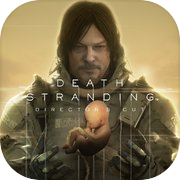


📦 Death Stranding Director’s Cut: Rebuilding the World, One Step at a Time
Hideo Kojima’s Death Stranding Director’s Cut is the definitive version of a game that defies genre. It’s a polarizing, meditative, and ultimately triumphant epic about human connection in a fractured world. While some may dismiss it as a "walking simulator," the Director’s Cut proves it is a complex engineering and survival masterpiece.
✍️ Great Storyline, Awesome Characters, and Character Development
The narrative is a high-concept sci-fi odyssey that feels more relevant today than ever.
Great Storyline: You play as Sam Porter Bridges, a courier in a post-apocalyptic America where the barrier between life and death has collapsed. Your mission—to reconnect isolated "Knots" to a Chiral Network—is a slow burn that evolves from a simple delivery job into a cosmic conspiracy involving the extinction of humanity. The Director’s Cut adds new "Ruined Factory" missions that provide even deeper lore regarding the origins of the Death Stranding.
Awesome Characters: The cast is world-class, featuring digital performances by Norman Reedus, Mads Mikkelsen, and Léa Seydoux. Each character, from the tragic Fragile to the enigmatic Cliff, is layered with trauma and hope.
Character Development: Sam begins the game as a disconnected loner with a phobia of being touched (aphenphosmphobia). His development isn't just told in cutscenes; it’s felt through gameplay. As you build structures that help other players, Sam (and you) begins to value the invisible "strands" that connect us all.
🔫 Peak Combat System, Horror and Destruction First Person POV
The Director’s Cut significantly refines the gameplay, adding "Peak" mechanics that make the world feel more interactive and dangerous.
Horror and Destruction: While primarily played in Third-Person, the game utilizes a claustrophobic, intimate POV during "Voidouts" and BT (Beached Thing) encounters. The horror is psychological—the sound of your BB (Bridge Baby) crying, the oily handprints appearing in the mud, and the terrifying silence before a massive BT drags you into a black tar abyss. The destruction is environmental; one mistake can lead to a "Voidout" crater that permanently alters the map.
Peak Combat System: The Director’s Cut overhauls the combat, adding the Maser Gun for non-lethal crowd control and new melee techniques like the "Dropkick." While combat is often a last resort, the addition of a Firing Range and ranked challenges allows you to master the mechanics of fighting MULEs (rogue porters) and the terrifying, skeletal soldiers in Cliff’s war nightmares.
😈 Elite Enemies and Difficulty
The Director’s Cut introduces new threats and higher stakes for veterans of the original journey.
Elite Enemies: Beyond the standard BTs, you’ll face massive, Lovecraftian boss creatures and elite "Terrorist" factions that use turrets and vehicles. The Director’s Cut allows you to replay boss fights, letting you test your skills against the most "Elite" threats in the game with your upgraded late-game arsenal.
Elite Difficulty (Very Hard): For those seeking a true challenge, the Very Hard difficulty is the way to play. It makes cargo significantly more fragile, timefall (acid rain) more corrosive, and enemies far more aggressive. On this setting, the game becomes a brutal puzzle of resource management where every ladder, rope, and battery pack is a precious lifeline.
⭐ Final Verdict
Death Stranding Director's Cut is a rare 10/10 experience for those with the patience to appreciate its rhythm. It turns the simple act of walking into a high-stakes survival mechanic and uses its star-studded cast to tell one of the most unique stories in gaming history.
Mentioned games
 View desktop site
TapTap looks better
on the app