
Games worth discovering




63 View2025-12-18
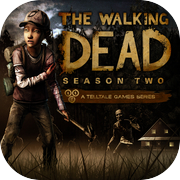


🌲 The Walking Dead Season 2: A Review – From Protected to Protector
Telltale’s second season faced an impossible task: following up on the lightning-in-a-bottle tragedy of Lee Everett. What we got instead was a brutal, cynical, and deeply personal evolution of Clementine. It is a season that trades the "hope" of the first game for a cold, hard look at what it takes to survive when you stop being the one who needs saving.
✍️ Great Storyline, Awesome Characters, and Character Development
The narrative pivot in Season 2 is one of the boldest moves in modern storytelling.
Great Storyline: While Season 1 was a journey with a clear destination, Season 2 is a wandering nightmare about the loss of innocence. The plot moves from the terrifying isolation of the woods to the oppressive, dictatorial community of Carver’s camp. The overarching narrative is less about "finding safety" and more about the psychological toll of constant betrayal and the realization that the living are far more dangerous than the dead.
Clementine’s Evolution: This is the peak of character development. We watch Clem transform from a girl who was taught to "keep her hair short" into a survivor who can stitch her own wounds and make life-or-death calls for grown adults.
The Return of Kenny: The reappearance of Kenny provides the season's emotional anchor. He is a tragic, broken mirror of the man he used to be, and the game masterfully forces the player to decide whether to stay loyal to a fading friend or move on for the sake of survival.
🔫 Peak Combat System (The Telltale Way), Horror and Destruction First Person POV
Though not a traditional FPS like Resident Evil, the POV in Season 2 is designed to make you feel small.
Horror and Destruction POV: By lowering the camera to an 11-year-old’s eye level, Telltale heightens the horror. Walkers feel towering and overwhelming. The "destruction" here isn't just physical; it’s the destruction of the group’s social fabric. The first-person-style interaction in the "shed scene" is arguably one of the most visceral, "don't look away" moments in the entire series.
Evolved Mechanics: The combat system (QTEs and point-and-click) is significantly smoother and more cinematic than Season 1. The action sequences feel more urgent—whether you’re kicking a walker’s knee or hiding under a table, the stakes feel grounded in Clementine’s physical limitations.
😈 Elite Enemies and Difficulty
The "enemies" in Season 2 aren't just the undead; they are the people who have lost their humanity.
Elite Enemies (Carver): Bill Carver remains one of the best "human" villains in gaming. He is an elite antagonist because he isn't a cartoon—he’s a man who believes he is doing what’s necessary for survival, serving as a dark premonition of what Clementine could become if she loses her empathy.
Moral Difficulty: The "difficulty" of this game isn't in your reflexes; it’s in your conscience. The game forces you into "Elite" moral dilemmas where there is no "right" answer. The final choice between Jane and Kenny is legendary for how it split the fanbase, proving that the hardest difficulty setting in The Walking Dead is living with the consequences of your own choices.
⭐ Final Verdict
The Walking Dead Season 2 is a masterpiece of atmospheric dread. It is darker, meaner, and more isolating than its predecessor. It doesn't try to give you a "happy" ending; it gives you an earned ending. It is a mandatory experience for anyone who wants to see how a character can be forged in the fires of an apocalypse.
Mentioned games
 View desktop site
TapTap looks better
on the app