
Games worth discovering




🚀 The Expanse: A Telltale Series — The Cold Vacuum of Choice
1 View2025-12-20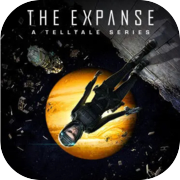


The Expanse marks the official return of the "New Telltale," and they didn't play it safe. By partnering with Deck Nine (Life is Strange), they’ve delivered the most visually polished and mechanically ambitious Telltale experience to date. It is a prequel that manages to feel essential for fans, even if it leaves newcomers floating in the dark.
🎭 Characters & Narrative: The Drummer Show
The greatest asset of this game is Cara Gee. Reprising her role as Camina Drummer, she anchors the story with a performance that is nothing short of elite.
A Believable Prequel: Setting the story before the TV series allows us to see a more vulnerable, yet still fiercely principled, version of Drummer. The crew of the Artemis—a motley group of scavengers—provides a perfect "found family" dynamic that Telltale excels at breaking apart.
The Weight of Choice: Unlike some older titles where choices felt like "flavors of dialogue," The Expanse features high-stakes branching. Critics have noted that your survival rate for the crew can range from everyone lives to almost everyone dies, depending on split-second decisions and thorough exploration.
🌌 Visuals & POV: A Technical Evolution
Gone are the days of "wonky" Telltale animations. This game represents a massive leap in facial motion capture and environmental detail.
The First-Person Feel (in Third-Person): While the game is technically third-person, the tight camera and zero-G segments create an incredibly claustrophobic, immersive POV.
Zero-G Exploration: This is the "Peak Combat/Movement" evolution of the Telltale formula. You aren't just walking down hallways; you are using thrusters to navigate massive derelict ships in 360 degrees and using magnetic boots to walk on walls and ceilings. It’s disorienting in the best way possible, capturing the true "Expanse" vibe.
⚙️ The "Elite" Difficulty: Exploration as Survival
The "difficulty" here isn't about twitch reflexes; it's about environmental intelligence.
Hidden Consequences: The game rewards "scavenging." Finding a specific item in Episode 1 might be the only thing that saves a character's life in Episode 4. This adds a layer of "Elite Difficulty" to the exploration—if you rush, people will die.
Quick-Time Events (QTEs): The action sequences are more fluid than previous games, though some critics find the "drone stealth" segments a bit of a chore compared to the high-stakes dialogue.
⚠️ The Critical Caveat
The "Best Reviewers" all point out one major flaw: Accessibility for Newcomers. If you haven't seen the show or read the books, the game doesn't hold your hand. There is no "codex" to explain what a "Belter" is or why Earth and Mars are at each other's throats. It assumes you already love this universe.
⭐ The Verdict
The Good: Stunning facial animations, a powerhouse performance by Cara Gee, and the best exploration mechanics Telltale has ever designed.
The Bad: Short episode lengths (some under an hour) and a narrative that might feel "sluggish" to those not invested in Expanse lore.
Final Score: 8/10 — A must-play for fans of the show, and a promising "re-entry" for Telltale Games.
Mentioned games
 View desktop site
TapTap looks better
on the app