
Games worth discovering




The Rise of Ludo: A Journey Through Centuries and Cultures
59 View2024-12-20Ludo's journey to global prominence is a tale that spans millennia and crosses cultural boundaries. From its origins in ancient India to its status as a household name in family entertainment, Ludo has evolved through various forms and names, captivating players across the globe. Here's an overview of Ludo's remarkable ascent:
Origins and Spread
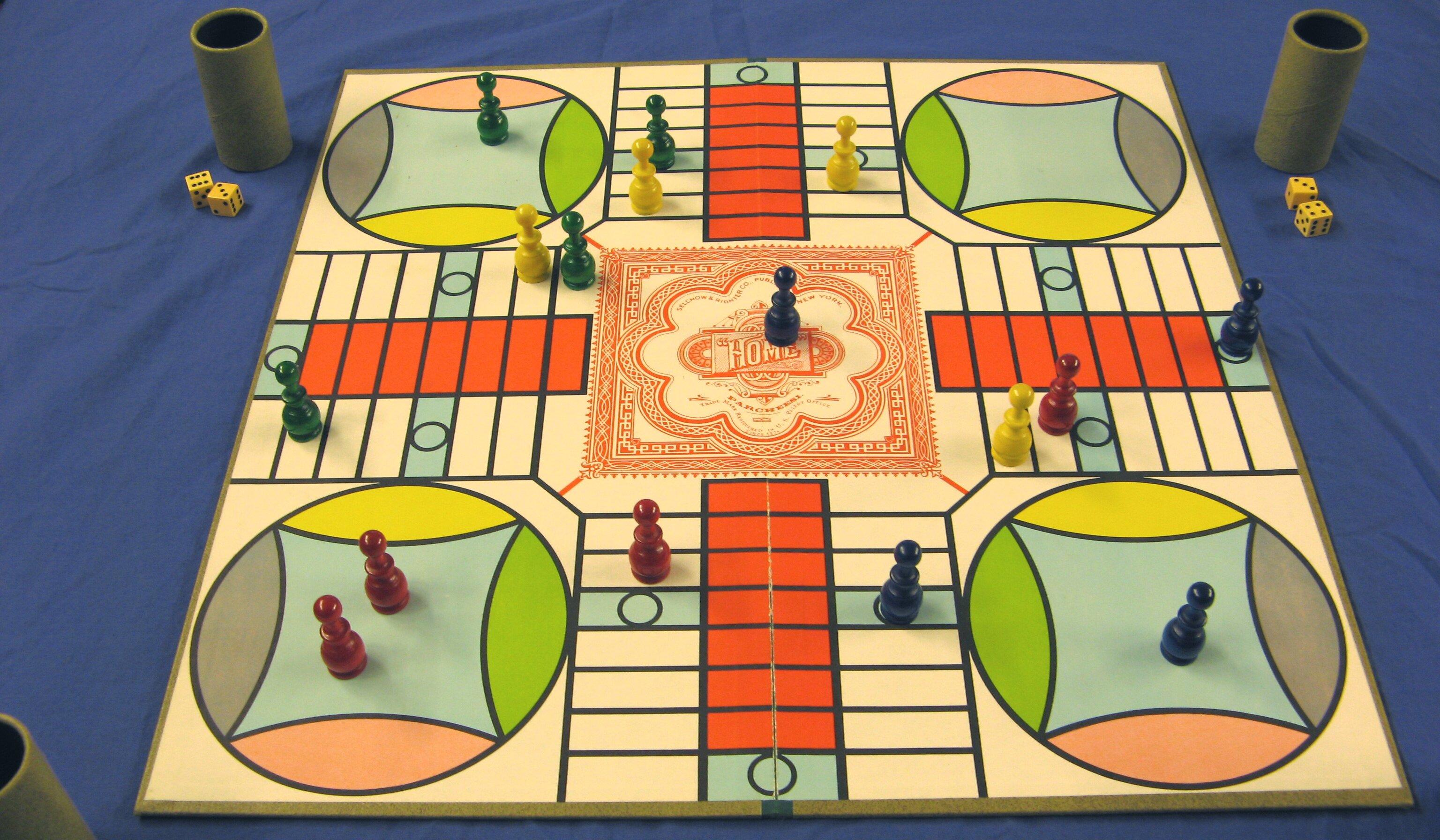
The roots of Ludo can be traced back to ancient India, where it was known as Pachisi, a strategic board game that dates back to the 6th century. Over time, this game traversed continents and transformed into different versions. In the United Kingdom, it became known as Uckers; in Germany, it was called Brändi Dog; in China, it was named Fei Xing Qi; and in Spain, it was called Parchís.

Modernization and Patenting
The modern form of Ludo is credited to Britain, where in 1896, Alfred Collier adapted the Pachisi game to use a cubic die and named it "Ludo." This innovation standardized the game's rules, laying the groundwork for Ludo's global popularity.
Digital Transformation
With technological advancements, Ludo underwent a digital metamorphosis. Transitioning from a physical board game to an online platform allowed players worldwide to engage in battles of strategy. Particularly in India, the digital version of Ludo, "Ludo King," has seen over 500 million downloads since its launch in 2016, becoming a regular feature on top download charts.
Integration of Social Elements
The social aspect of Ludo gaming has also been a significant factor in its rise. Many Ludo mobile games emphasize in-game voice chat, messaging, and friendship features, turning gaming into a social trend. For instance, Lanbee Star Group's "Ludo Oasis" As a rising star, provides Ludo game lovers with a brand new gaming experience with its unique social and voice chat features.

International Names and Localization
Ludo is known by different names globally, reflecting its spread and localization across various cultures. In Vietnam, it's called Cờ cá ngựa; in Colombia, it's known as Parqués. This localization strategy has helped Ludo gain popularity worldwide.
Conclusion
The rise of Ludo showcases its enduring appeal, adaptability, and the ability to bring people together across cultures and generations. From ancient India to becoming a global phenomenon, Ludo has continually evolved, adapting to new technologies and cultural environments, making it a truly universal game.
Mentioned games



Comments
 View desktop site
TapTap looks better
on the app 






♥️
2025-02-19