
Games worth discovering




List of Real-time Strategy (RTS)
3K View2025-06-1511 games listed"RTS" can refer to several things, but most commonly it stands for Real-Time Strategy in the context of video games.
It's a genre where players control units and resources simultaneously, unlike turn-based strategy games.
However, "RTS" can also refer to other concepts, such as: Request to Send in networking (a control signal), Radio Teleswitch Service in the UK (regulating energy rates), or the company Rail Trans Service (involved in railway construction).
Additionally, it can be used in the context of Real-Time Snickometer (used in cricket) or Return to Sender (a shipping term).
Here's a more detailed breakdown:
1. Real-Time Strategy (RTS):
A video game genre where players control units and resources in real-time, unlike turn-based games.
Examples: StarCraft, Age of Empires, Command & Conquer.
According to Wikipedia, the term was popularized by Dune II in the early 1990s.
2. Request to Send (RTS):
A control signal in computer networking, often used in wireless communication.
It's part of the RTS/CTS (Request to Send/Clear to Send) handshake, which helps manage data transmission.
3. Radio Teleswitch Service (RTS):
A UK service that uses radio signals to control when electricity meters switch between peak and off-peak rates.
4. Rail Trans Service (RTS):
A company involved in railway construction, based in Azerbaijan.
They are involved in projects like the Baku-Tbilisi-Kars railway and the North-South transport corridor.
5. Other less common meanings:
Real-Time Snickometer (RTS): A technology used in cricket to track ball trajectory.
Return to Sender (RTS): When a package is sent back to the sender because it couldn't be delivered.
RivaTuner Statistics Server (RTSS): A tool for monitoring and limiting FPS (frames per second) in games.
Radio Television of Serbia (RTS): The Serbian state-owned public broadcaster.
Real-time strategy (RTS) is a subgenre of strategy video games that does not progress incrementally in turns.
ℹ️ Overview
Real-Time Strategy (RTS) is
a video game genre where players manage resources, build bases, and command armies simultaneously in a continuous flow of time, unlike turn-based games, requiring quick decisions and simultaneous control (micro/macro) for victory, seen in classics like StarCraft, Age of Empires, and Company of Heroes, with ongoing modern growth.
↪️ Core Characteristics
📝ℹ️ No Turns: All players act at the same time, creating constant pressure and dynamic gameplay.
📝ℹ️ Resource Management: Gather resources (gold, wood, food) to build units and structures.
📝ℹ️ Base Building: Construct and expand a home base or headquarters.
📝ℹ️ Unit Control (Micro): Direct control over individual units in battles.
📝ℹ️ Army Management (Macro): Oversee the overall economy, tech, and unit production.
📝ℹ️ Objective-Based Victory: Often involves destroying enemy bases or capturing critical points (Victory Points).
↪️ Key Examples & Subgenres
📝ℹ️ Age of Empires: Focuses on civilization building and historical eras.
📝ℹ️ StarCraft: Known for fast-paced, highly competitive, sci-fi battles.
📝ℹ️ Company of Heroes: Emphasizes tactical squad-level combat and territory control.
📝ℹ️Total War: Blends grand turn-based campaign strategy with large-scale real-time battles.
📝ℹ️ Dune II: The game that popularized the term "RTS".
↪️ Why It's Popular
📝ℹ️ Cognitive Benefits: Enhances decision-making and strategic thinking.
📝ℹ️ High Skill Ceiling: Offers deep strategic possibilities and competitive multiplayer.
📝ℹ️ Evolving Genre: Continues to see new IPs, sequels, and genre fusions (e.g., with MOBAs, city builders).
It's a genre where players control units and resources simultaneously, unlike turn-based strategy games.
However, "RTS" can also refer to other concepts, such as: Request to Send in networking (a control signal), Radio Teleswitch Service in the UK (regulating energy rates), or the company Rail Trans Service (involved in railway construction).
Additionally, it can be used in the context of Real-Time Snickometer (used in cricket) or Return to Sender (a shipping term).
Here's a more detailed breakdown:
1. Real-Time Strategy (RTS):
A video game genre where players control units and resources in real-time, unlike turn-based games.
Examples: StarCraft, Age of Empires, Command & Conquer.
According to Wikipedia, the term was popularized by Dune II in the early 1990s.
2. Request to Send (RTS):
A control signal in computer networking, often used in wireless communication.
It's part of the RTS/CTS (Request to Send/Clear to Send) handshake, which helps manage data transmission.
3. Radio Teleswitch Service (RTS):
A UK service that uses radio signals to control when electricity meters switch between peak and off-peak rates.
4. Rail Trans Service (RTS):
A company involved in railway construction, based in Azerbaijan.
They are involved in projects like the Baku-Tbilisi-Kars railway and the North-South transport corridor.
5. Other less common meanings:
Real-Time Snickometer (RTS): A technology used in cricket to track ball trajectory.
Return to Sender (RTS): When a package is sent back to the sender because it couldn't be delivered.
RivaTuner Statistics Server (RTSS): A tool for monitoring and limiting FPS (frames per second) in games.
Radio Television of Serbia (RTS): The Serbian state-owned public broadcaster.
Real-time strategy (RTS) is a subgenre of strategy video games that does not progress incrementally in turns.
ℹ️ Overview
Real-Time Strategy (RTS) is
a video game genre where players manage resources, build bases, and command armies simultaneously in a continuous flow of time, unlike turn-based games, requiring quick decisions and simultaneous control (micro/macro) for victory, seen in classics like StarCraft, Age of Empires, and Company of Heroes, with ongoing modern growth.
↪️ Core Characteristics
📝ℹ️ No Turns: All players act at the same time, creating constant pressure and dynamic gameplay.
📝ℹ️ Resource Management: Gather resources (gold, wood, food) to build units and structures.
📝ℹ️ Base Building: Construct and expand a home base or headquarters.
📝ℹ️ Unit Control (Micro): Direct control over individual units in battles.
📝ℹ️ Army Management (Macro): Oversee the overall economy, tech, and unit production.
📝ℹ️ Objective-Based Victory: Often involves destroying enemy bases or capturing critical points (Victory Points).
↪️ Key Examples & Subgenres
📝ℹ️ Age of Empires: Focuses on civilization building and historical eras.
📝ℹ️ StarCraft: Known for fast-paced, highly competitive, sci-fi battles.
📝ℹ️ Company of Heroes: Emphasizes tactical squad-level combat and territory control.
📝ℹ️Total War: Blends grand turn-based campaign strategy with large-scale real-time battles.
📝ℹ️ Dune II: The game that popularized the term "RTS".
↪️ Why It's Popular
📝ℹ️ Cognitive Benefits: Enhances decision-making and strategic thinking.
📝ℹ️ High Skill Ceiling: Offers deep strategic possibilities and competitive multiplayer.
📝ℹ️ Evolving Genre: Continues to see new IPs, sequels, and genre fusions (e.g., with MOBAs, city builders).
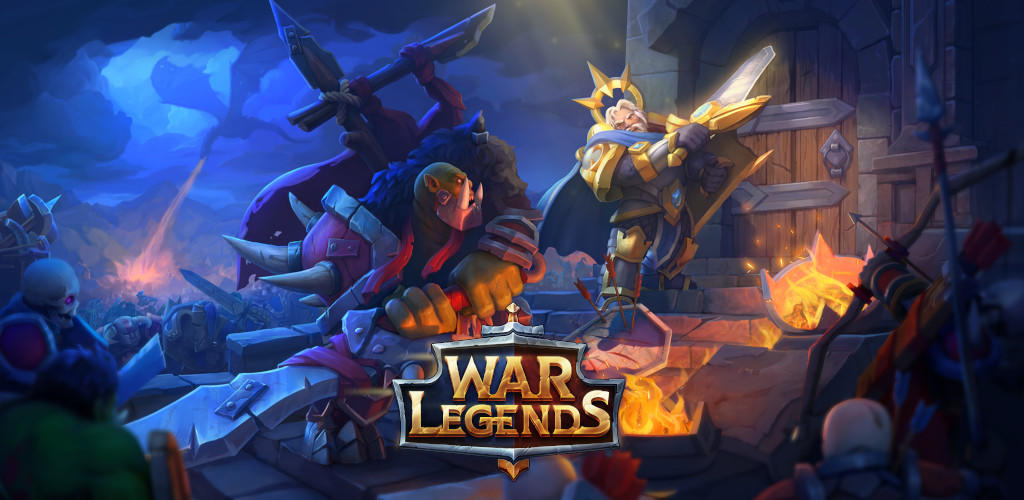
War Legends: RTS strategy game

7.1
0 Want

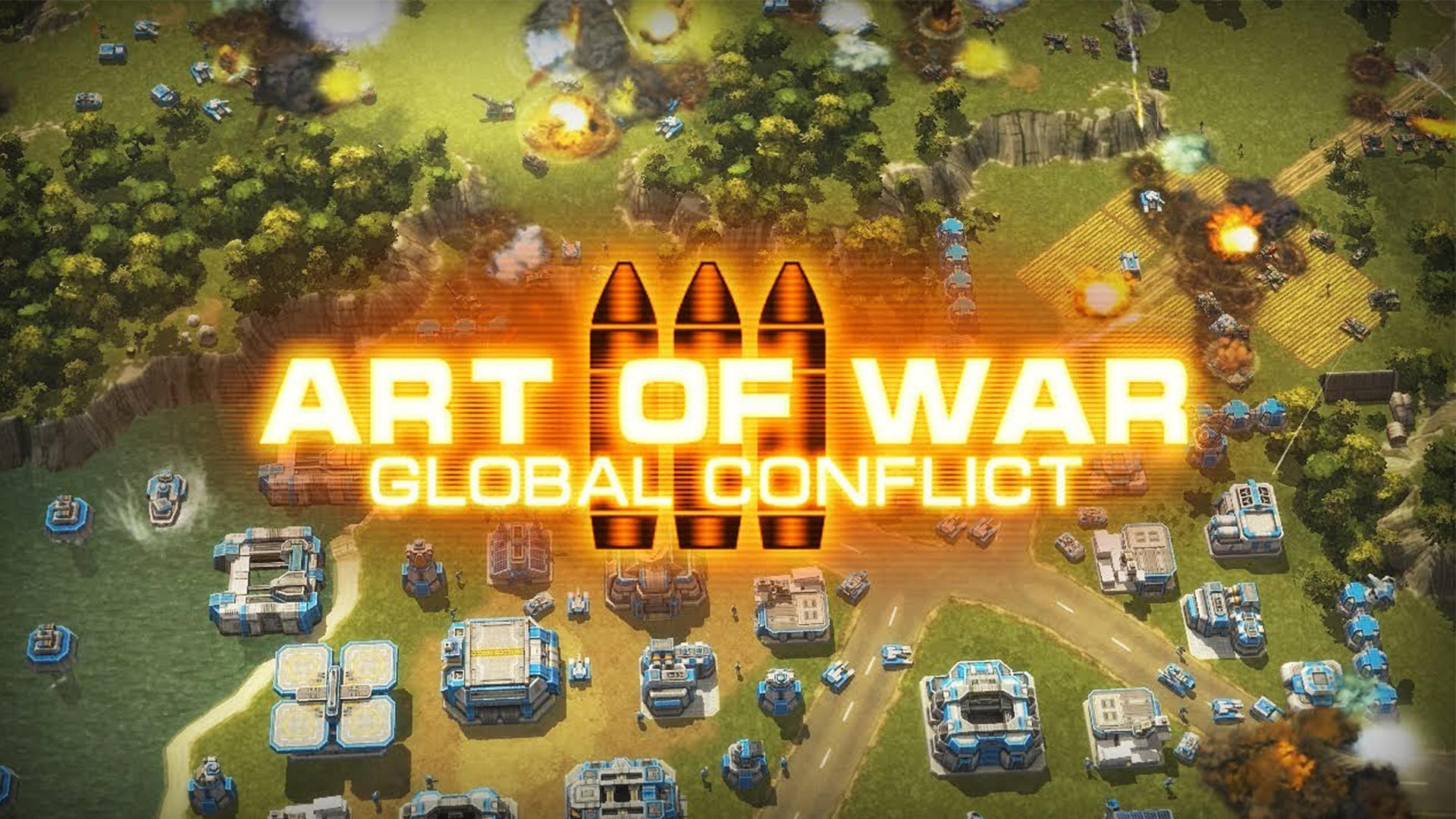
Art of War 3:RTS strategy game US
7.1
0 Want

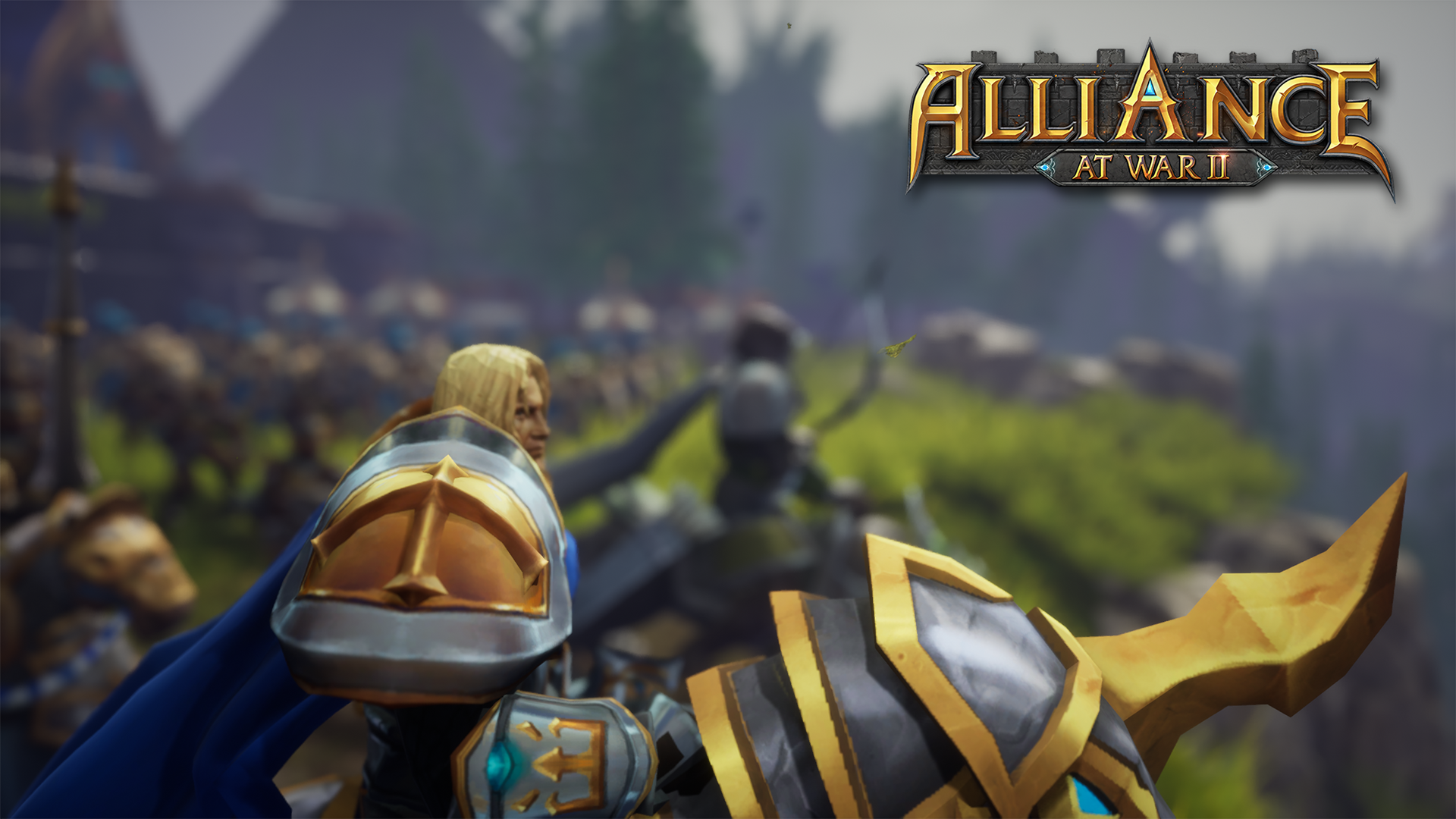

Alliance At War
4.6
0 Want
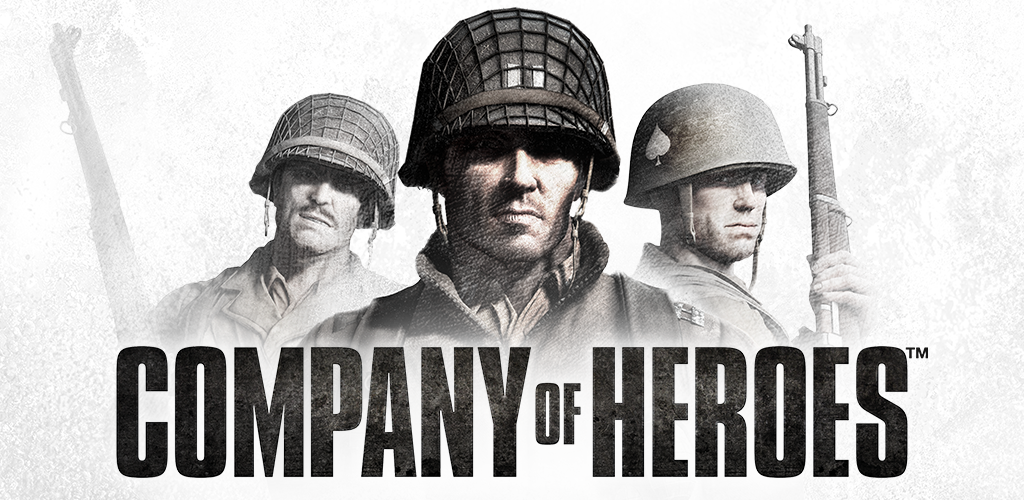
Company of Heroes
8.3
0 Want
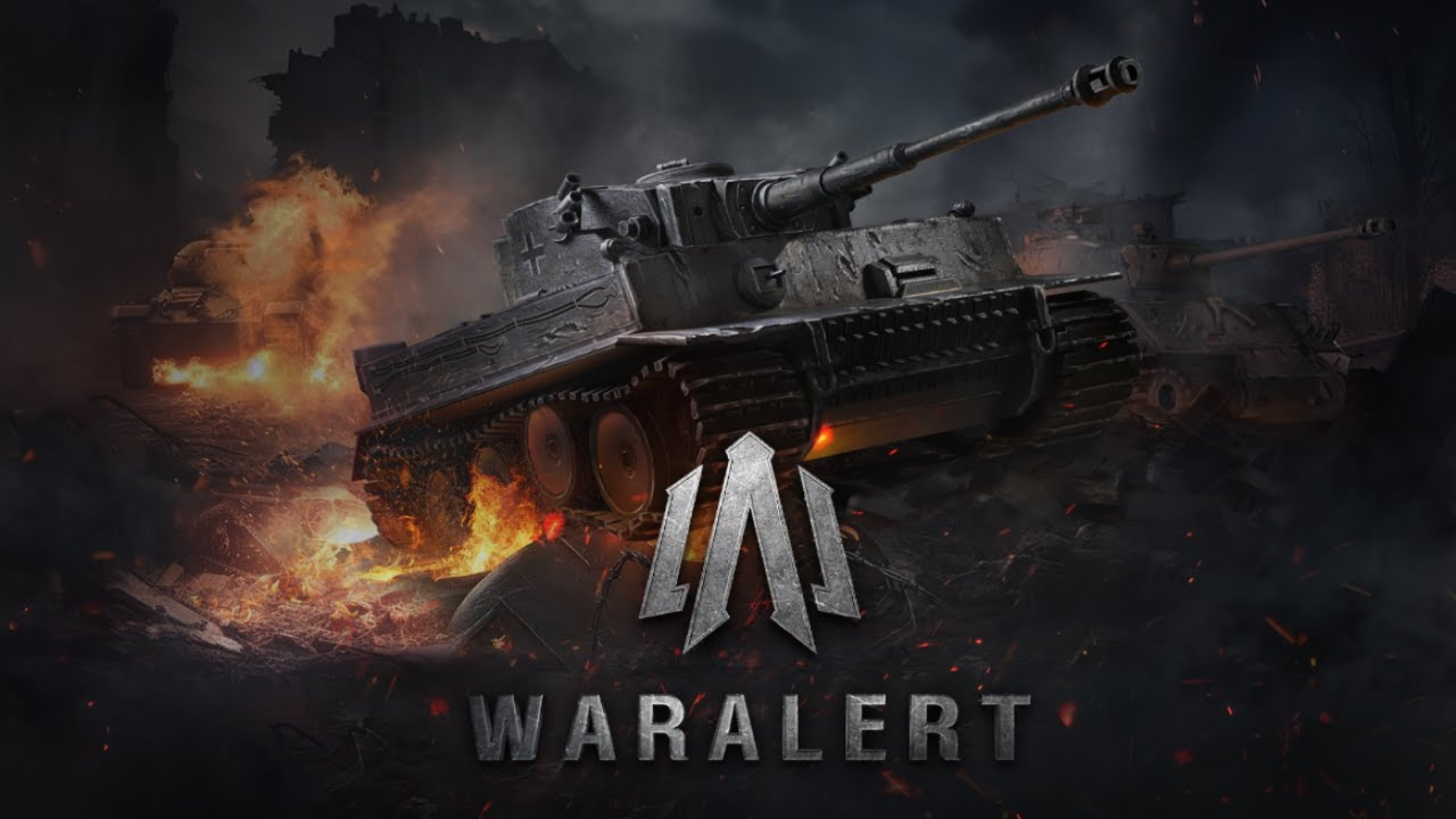
War Alert : WWII PvP RTS
8.8
0 Want
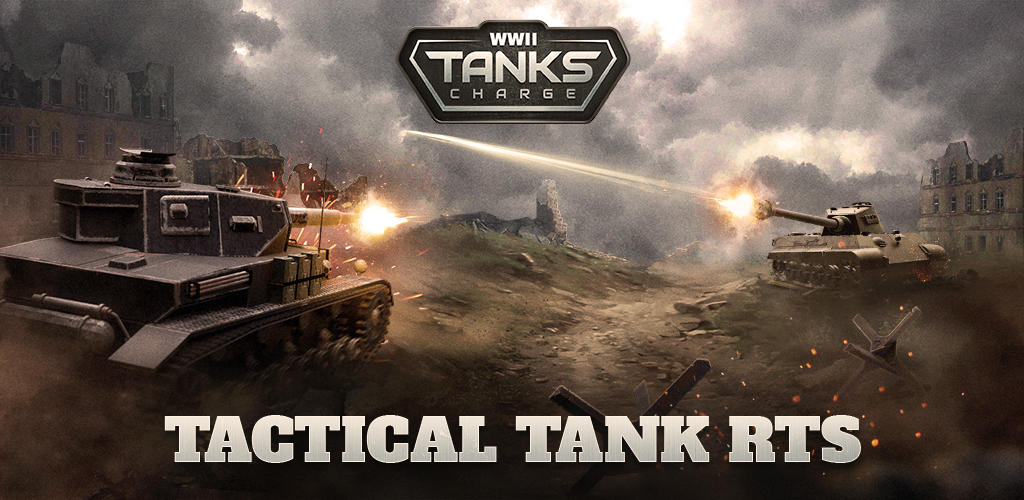
Tanks Charge: Online PvP Arena
6.9
0 Want
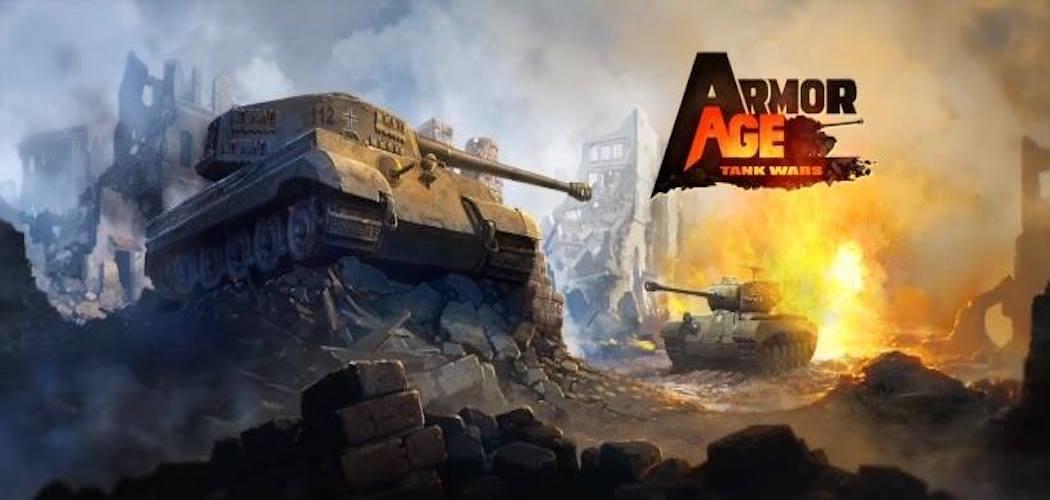
Armor Age: Tank Wars (Unreleased)
7.8
0 Want
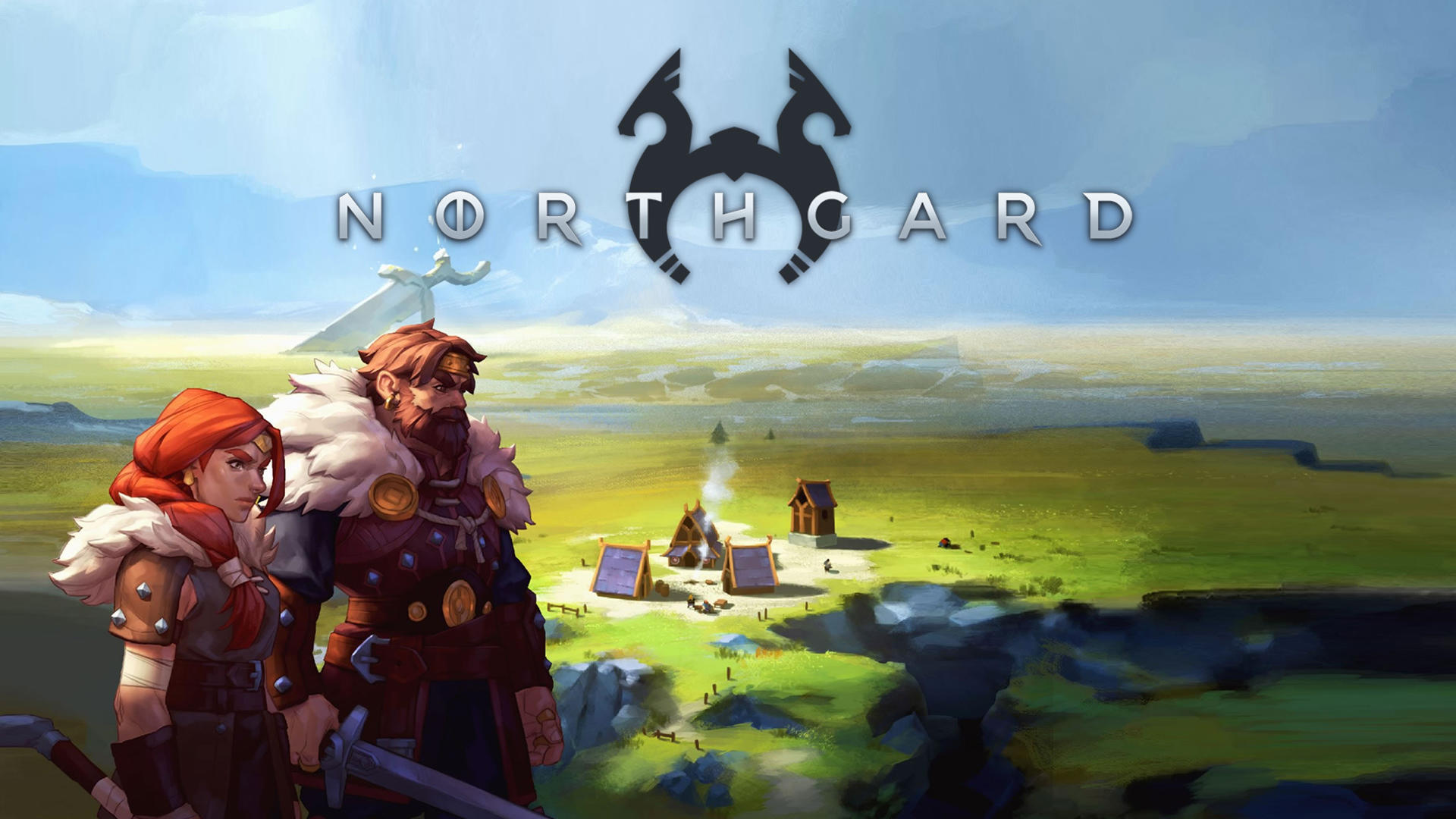
Northgard
9.3
0 Want

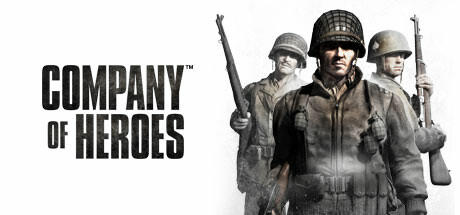
Company of Heroes
10
0 Want
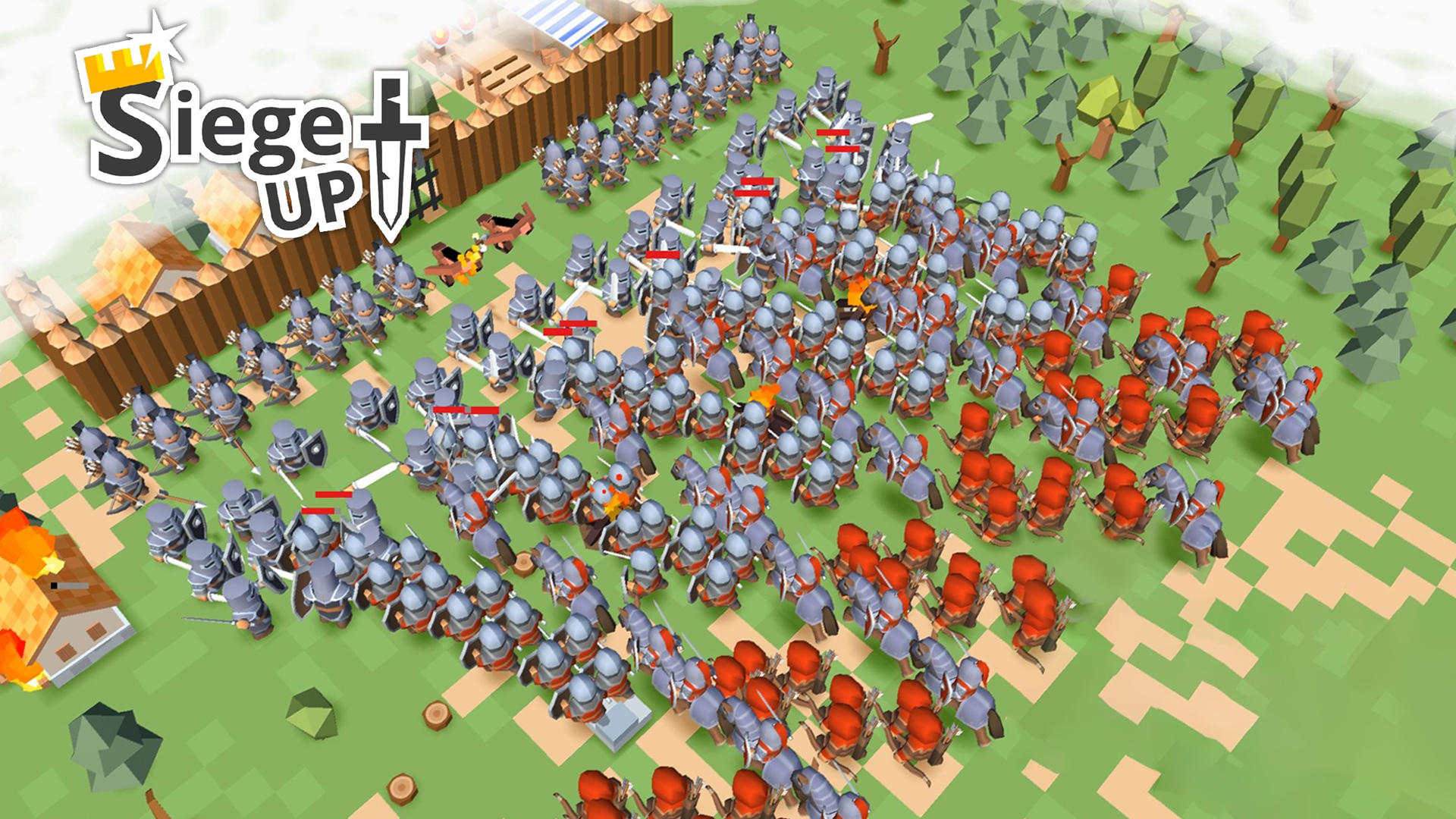
RTS Siege Up! - Medieval War
8.0
0 Want
Broken Arrow
8.2
0 Want
Comments
 View desktop site
TapTap looks better
on the app 






محمودمحمد
2025-12-01