
Games worth discovering




Pokopia Pokémon – The Legendary Battle Colosseum Explained
6K View2026-03-03
What Is Pokopia in the Pokémon Universe?
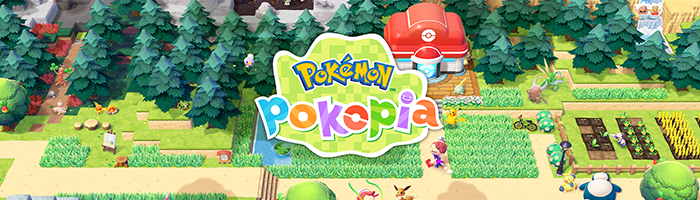
If you’ve ever stepped into the dazzling, high-stakes world of Pokémon Battle Revolution, then you’ve likely heard whispers of Pokopia. And if you haven’t? Buckle up. Because Pokopia isn’t just another battle arena—it’s the ultimate proving ground, the digital Colosseum where only the strongest trainers survive.
Pokopia serves as the final colosseum in Pokémon Battle Revolution, released for the Nintendo Wii. Unlike casual in-game gyms or standard league challenges, Pokopia is designed to test players at the highest competitive level. Think of it as the final exam after years of Pokémon training. Every strategy you’ve learned, every synergy you’ve built, and every mistake you’ve ever made—it all comes into focus here.
What makes Pokopia special isn’t just its difficulty. It’s the atmosphere. The towering arena, the roaring digital crowd, and the intense soundtrack combine to create a cinematic experience. It feels less like a video game battle and more like stepping into a futuristic gladiator ring.
But here’s the twist: Pokopia doesn’t rely on gimmicks. There are no puzzle floors or luck-based mechanics. It’s pure battle skill. Your team composition, move sets, prediction skills, and adaptability are everything. That’s why competitive players still talk about Pokopia today—it represents Pokémon battling at its sharpest edge.
So why does Pokopia still matter in 2026? Because it symbolizes something timeless: the thrill of high-level Pokémon competition without shortcuts.

Origins of Pokopia in Pokémon Battle Revolution
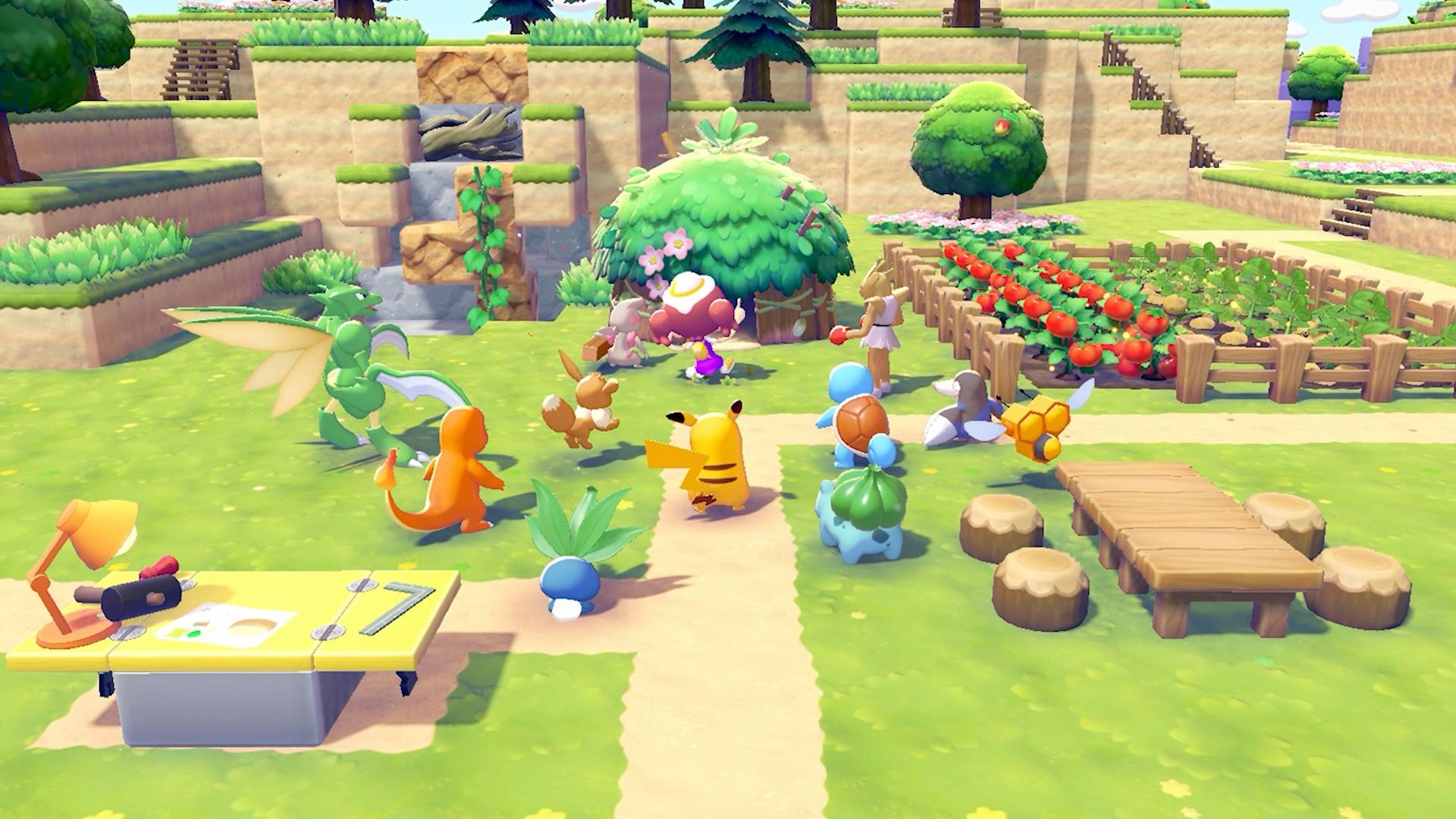
Pokopia made its debut in 2006 as part of Pokémon Battle Revolution on the Wii. At the time, this game served a unique purpose. It wasn’t a traditional Pokémon RPG. Instead, it focused almost entirely on battling—bringing the Pokémon from Diamond and Pearl into stunning 3D stadium-style matches.
And Pokopia? That was the crown jewel.
Game Freak and Genius Sonority designed Pokopia as the final challenge after players cleared previous colosseums. By the time you reach Pokopia, you’ve already faced increasingly tough trainers. You’ve seen advanced tactics. You’ve battled powerful teams. But Pokopia raises the bar dramatically.
The concept was simple yet brilliant: create a final arena that reflects peak competitive battling. Instead of scripted AI mistakes, Pokopia’s trainers are strategic, calculated, and unforgiving. They use powerful Pokémon, optimized move sets, and devastating combinations.
Historically, this marked a shift in how console Pokémon games approached difficulty. Unlike Pokémon Stadium, which had challenging moments but predictable patterns, Pokopia demanded adaptability. It mirrored competitive play more closely than any previous console title.
In many ways, Pokopia was ahead of its time. Today’s competitive Pokémon scene—full of weather teams, speed control, and legendary-heavy formats—feels like a natural evolution of what Pokopia started.
It wasn’t just another arena. It was a statement: Pokémon battling could be cinematic, intense, and strategically deep.
Why Pokopia Stands Out Among Pokémon Battle Locations

FREE 30-day trial
Let’s be honest. The Pokémon world has no shortage of battle facilities. We’ve had the Indigo Plateau, the Battle Frontier, Pokémon Stadium arenas, and countless gyms across generations. So what makes Pokopia different?
First, presentation. Pokopia doesn’t feel like a checkpoint—it feels like an event. The towering marble pillars, glowing battle platforms, and dramatic lighting create a sense of scale rarely seen in Pokémon games. It’s like stepping into an Olympic stadium designed exclusively for elite trainers.
Second, difficulty balance. Many battle facilities rely on artificial challenges—randomized opponents or luck-heavy mechanics. Pokopia strips that away. It challenges your understanding of type matchups, team synergy, EV training, and move prediction. There’s no hand-holding here.
Third, Mysterial.
Every legendary arena needs a legendary champion. Mysterial isn’t just another final boss—he’s mysterious, silent, and overwhelmingly powerful. His presence alone elevates Pokopia into mythic territory among fans.
And finally, emotional weight. By the time you reach Pokopia, you’ve invested hours into battling through previous colosseums. Winning here feels earned. It feels like climbing a mountain rather than riding an escalator.
Pokopia stands out because it respects the player’s intelligence. It assumes you know what you’re doing—and then asks you to prove it.
The Role of Pokopia in Competitive Play
FREE 30-day trial
Pokopia wasn’t officially part of the Pokémon VGC circuit, but it might as well have been a training ground. For many players, this arena served as their first real exposure to advanced battle strategy.
Here’s why.
Unlike story-mode Pokémon games where over-leveling solves everything, Pokopia operates on a more balanced battlefield. Raw power alone won’t save you. You need:
. Proper type coverage
. Speed tier awareness
. Smart switching
. Status control
. Weather management
Sound familiar? That’s modern competitive Pokémon in a nutshell.
Pokopia helped players understand that synergy matters more than individual strength. A perfectly timed Protect move or a clever Earthquake + Flying-type combo can turn the tide instantly.
It also emphasized double battles—a format that demands forward thinking.
You’re not just predicting one opponent’s move; you’re predicting two. It’s like playing chess while juggling.
Many competitive trainers look back at Pokopia as the moment they “leveled up” mentally. It forced adaptation. It punished predictability. And it rewarded creativity.
In short, Pokopia wasn’t just a game location—it was a classroom for future champions.
The Architecture and Design of Pokopia
FREE 30-day trial
Step into Pokopia and the first thing you notice isn’t the opponent—it’s the sheer scale of the place. The arena doesn’t whisper “battle.” It shouts it. The towering pillars, the polished marble floors, the glowing circular battlefield suspended in the center—it all feels grand, almost sacred. It’s like you’ve walked into a futuristic Roman Colosseum where Pokémon are the gladiators and strategy is the weapon.
The designers didn’t just create a backdrop; they built an atmosphere. The stadium is circular, emphasizing fairness and balance—no corners to hide in, no environmental gimmicks. Just you, your opponent, and raw tactical execution. The lighting intensifies as battles reach their climax, almost mirroring the rising tension. It’s subtle, but you feel it.
What really sets Pokopia apart from other arenas is its fusion of ancient and futuristic elements. Marble textures and classical architecture blend seamlessly with glowing energy platforms and advanced holographic displays. It’s as if history and technology shook hands and decided to host a Pokémon tournament.
And here’s the thing: that design choice matters. The grandeur reinforces the idea that this isn’t just another match. It’s the final test. The ultimate stage. The place where champions are crowned—or crushed.
Have you ever noticed how environment influences performance? Athletes do. Gamers do. Even Pokémon trainers do. Pokopia’s design amplifies pressure. You feel watched. Judged. Challenged. And somehow, that pressure makes victory taste sweeter.
This isn’t just an arena. It’s a statement of prestige.
The Grand Colosseum Structure
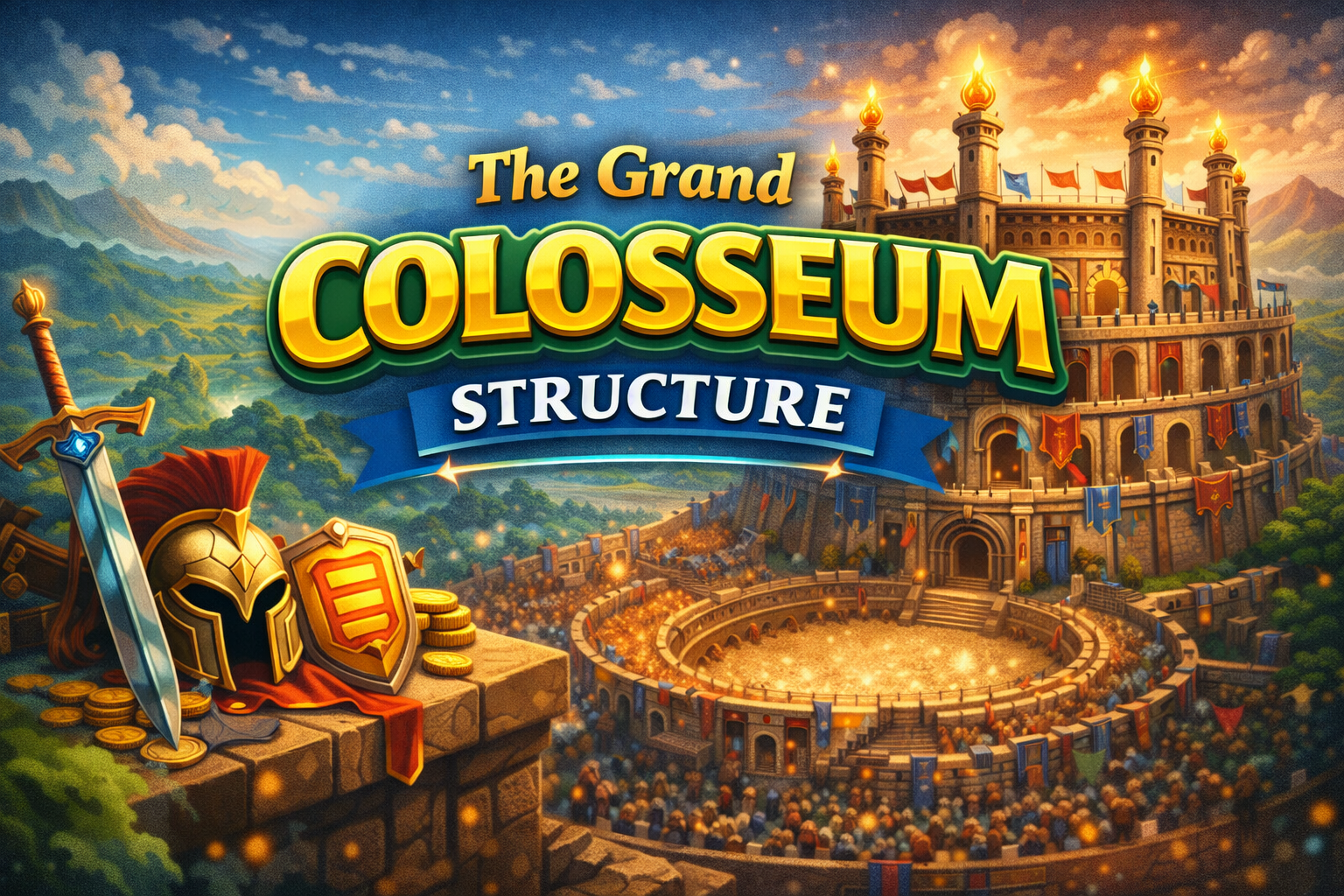
At the heart of Pokopia lies its massive central colosseum. Unlike smaller battle fields from other games, this one is elevated and framed by towering stone columns. The battlefield platform glows faintly beneath the Pokémon, giving the impression that the energy of the arena itself fuels the combat.
The layout is intentionally symmetrical. No side has an advantage. This reinforces the competitive philosophy behind Pokopia: skill determines the winner—not terrain. It strips away environmental distractions and leaves only pure strategy.
The spectator stands are enormous, filled with animated crowds whose cheers swell during critical moments. That audio feedback creates emotional intensity. When your Pokémon lands a critical hit, the roar of the crowd feels validating. When you’re down to your last Pokémon, the tension is almost cinematic.
Architecturally, the circular design symbolizes continuity and eternity—a fitting metaphor for Pokémon battles, which have evolved for decades yet remain fundamentally the same: trainer versus trainer, mind versus mind.
Even the entrance sequence contributes to the experience. Trainers step forward dramatically, framed by towering doors that open slowly, almost ceremonially. It feels like a heavyweight boxing match introduction.
The structure of Pokopia doesn’t just hold battles—it elevates them. It turns ordinary matches into spectacles. And when you finally defeat Mysterial in this arena, the environment amplifies that triumph tenfold.
Visual Themes and Inspirations
Pokopia’s aesthetic isn’t random. It draws heavily from classical Mediterranean architecture—particularly Roman and Greek influences—while layering futuristic sci-fi elements on top. The result? A timeless battlefield that feels both ancient and ahead of its time.
The marble columns evoke images of gladiator arenas. The circular layout mirrors historical colosseums. Even the color palette—gold accents, white stone, and glowing blues—suggests divinity and prestige. It feels like the gods themselves might be watching.
At the same time, holographic lighting and digital battle platforms remind you that this is a modern Pokémon competition. The blend is deliberate. Pokémon as a franchise has always balanced tradition and innovation. Pokopia visually embodies that balance.
Why does that matter? Because design influences perception. When you battle in a forest gym, you expect nature-themed tactics. When you battle in a steel factory, you anticipate industrial powerhouses. In Pokopia, the classical-meets-futuristic vibe signals one thing: legendary status.
You’re not just fighting trainers. You’re participating in history.
Roman and Greek Influences
Look closely at Pokopia’s pillars and arches. They resemble Corinthian columns—ornate yet strong. This isn’t accidental. Roman colosseums were symbols of spectacle and power. Gladiators fought not only for victory but for honor and recognition.
That parallel aligns perfectly with Pokémon’s competitive spirit. Trainers in Pokopia aren’t chasing badges—they’re chasing prestige.
The circular battlefield echoes ancient amphitheaters designed so every spectator had a clear view. In Pokopia, that same openness creates psychological pressure. There’s nowhere to hide from mistakes.
Even the color scheme—gold trimming and white stone—reflects classical grandeur. It creates a sense of importance. This isn’t a roadside gym. It’s a championship arena.
The Roman inspiration subtly reinforces the idea that Pokémon battles are modern-day duels—strategic, disciplined, and honorable.
Futuristic Arena Elements
FREE 30-day trial
Now flip the coin.
Beneath the classical shell lies advanced technology. The battlefield glows with energy. Digital screens display health bars and effects with sleek animations. Lighting shifts dynamically as the match progresses.
This futuristic layer reminds players that Pokémon is constantly evolving. It’s not stuck in nostalgia. It innovates while honoring tradition.
The glowing platform almost feels alive, as if powered by the combined energy of battling Pokémon. It adds a sense of spectacle that older titles like Pokémon Stadium hinted at but never fully realized.
That fusion of old and new makes Pokopia timeless. Even today, it doesn’t feel outdated. If anything, it feels ready for a high-definition remake.
Mysterial – The Enigmatic Master of Pokopia
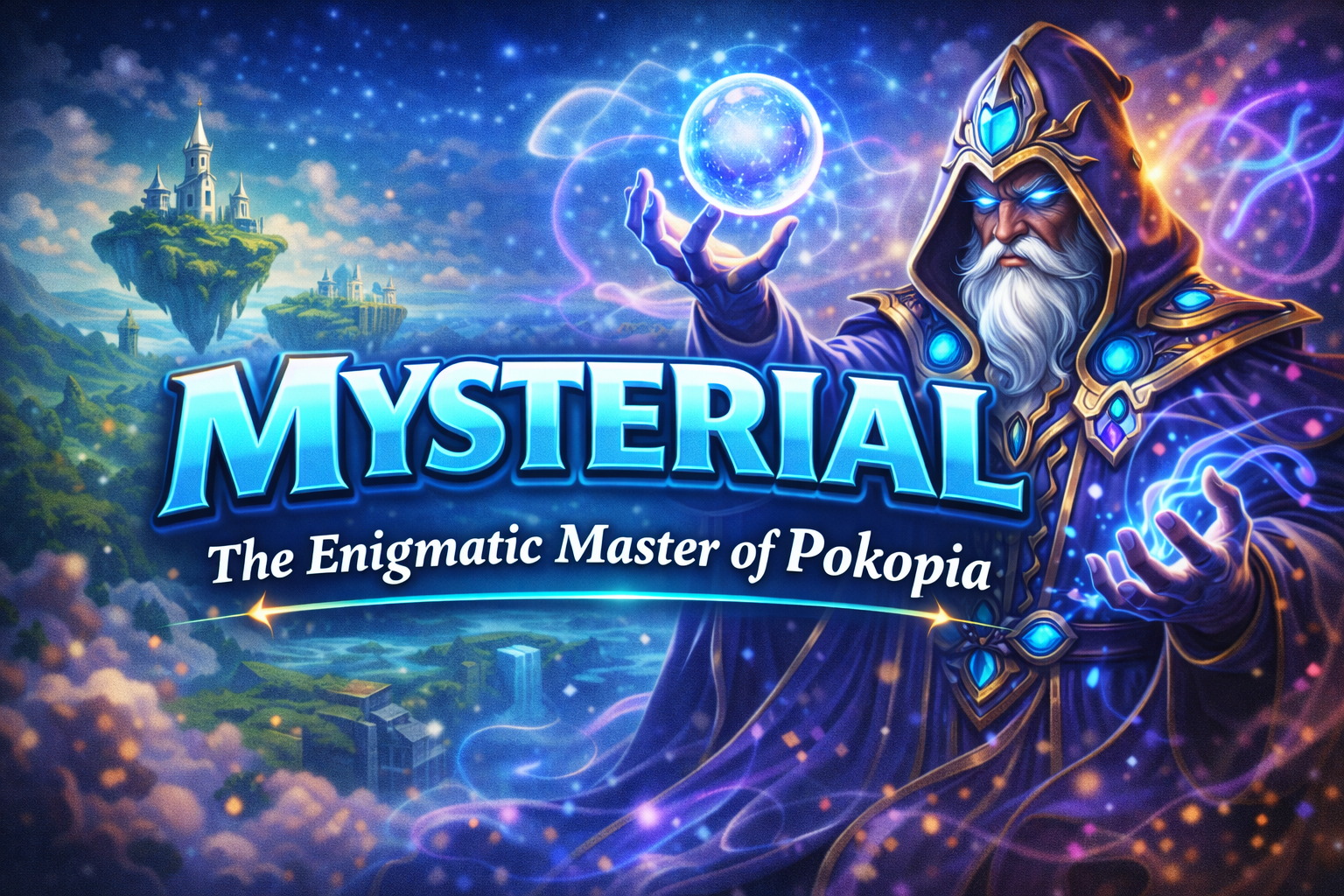
Every legendary arena needs a legendary ruler. In Pokopia, that ruler is Mysterial. And unlike most Pokémon champions who have dialogue, personality arcs, or regional fame, Mysterial is… quiet. Mysterious. Almost alien.
Who is he? Where did he come from? Why does he command such overwhelming power?
That ambiguity is intentional. Mysterial isn’t meant to be relatable. He’s meant to represent the peak of battle mastery.
Clad in a futuristic outfit with a masked appearance, Mysterial feels detached from ordinary trainers.
He doesn’t boast. He doesn’t taunt. He simply battles—and battles incredibly well.
What makes him unforgettable isn’t just aesthetics. It’s his team composition.
Mysterial uses powerful Legendary Pokémon in devastating combinations. He understands synergy. He anticipates counters. He punishes predictable plays.
Facing Mysterial feels like playing against a top-tier competitive player online. Every move has purpose. Every switch is calculated.
Beating him isn’t luck. It’s earned mastery.
And maybe that’s why fans still talk about him. In a franchise filled with colorful champions, Mysterial stands out by saying almost nothing—and letting his strategy speak instead.
Who Is Mysterial?
Mysterial serves as the final boss of Pokémon Battle Revolution. He’s the leader of Pokopia and the ultimate test for players. Unlike gym leaders with elemental themes, Mysterial’s identity revolves around pure competitive strength.
There’s very little canonical backstory provided. That silence fuels fan theories. Some believe he represents an elite organization within the Pokémon world. Others speculate he’s simply a symbolic embodiment of ultimate skill.
His name itself—Mysterial—suggests mystery and depth. It’s as if the developers wanted him to feel unknowable.
And honestly? That works.
Because when you face him, you don’t think about lore. You think about survival.
Mysterial’s Battle Strategy and Team Composition
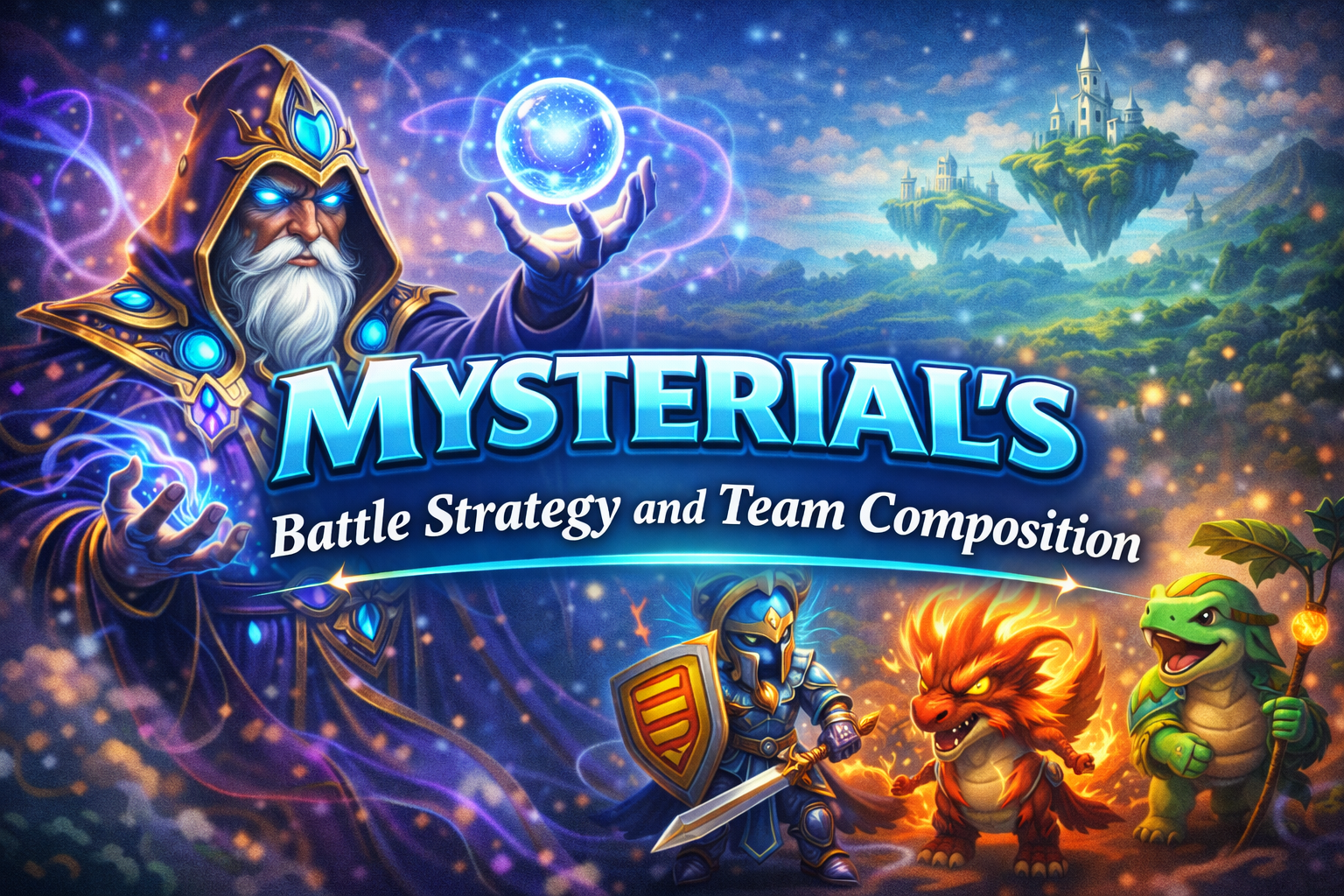
Mysterial doesn’t rely on random picks. His teams are carefully curated around synergy and raw power.
Legendary Pokémon form the backbone of his strategy, often including powerhouses like Mewtwo, Lugia, Ho-Oh, Kyogre, and Groudon.
What makes his strategy deadly is balance. He blends offensive pressure with defensive stability. He uses type coverage intelligently, preventing easy counters.
Expect:
. High Special Attack sweepers
. Bulky defensive walls
. Weather-based strategies
. Strong type synergy
He doesn’t just throw Legendaries at you. He coordinates them.
And that coordination is what makes him terrifying.
Legendary Pokémon in Mysterial’s Team
Legendaries aren’t just strong—they warp battles around them. Kyogre summons rain, boosting Water-type moves.
Groudon brings harsh sunlight. Mewtwo hits like a truck with massive Special Attack stats.
When used together strategically, they create battlefield conditions that overwhelm unprepared trainers.
Mysterial leverages this perfectly.
Why Mysterial Is So Difficult to Defeat
It’s not just stats. It’s pressure.
Mysterial forces you to think two moves ahead.
Misjudge a switch? You’re punished. Ignore weather control? You’re swept.
His unpredictability combined with overwhelming power makes every turn critical. One mistake can snowball into defeat.
And that’s exactly why defeating him feels legendary.
Pokopia’s Battle Format and Rules
If you walk into Pokopia expecting a casual showdown, you’re in for a reality check.
This isn’t your typical in-game gym battle where overleveling bulldozes the competition.
Pokopia is structured to emphasize balance, strategy, and precision. Every rule in this arena exists for one reason: to test whether you truly understand Pokémon battling at a competitive level.
One of the defining aspects of Pokopia is its structured format. Battles aren’t random encounters—they’re part of a progressive challenge system. You don’t just stroll in and face Mysterial immediately.
You earn that right.
Trainers must defeat increasingly powerful opponents, each designed to expose weaknesses in team composition and tactical thinking.
Another key feature is the emphasis on double battles. Unlike single battles where momentum can swing slowly, double battles are fast, chaotic, and deeply strategic.
Positioning, synergy, and move timing matter more than raw stats. A well-timed Protect, Helping Hand, or Earthquake can flip the entire match in one turn.
Pokopia also allows players to use either Rental Pass Pokémon or custom teams transferred from Nintendo DS games like Diamond and Pearl. That flexibility adds depth.
Are you skilled enough to win with pre-set teams? Or will you rely on your carefully bred and EV-trained roster?
The rules may seem straightforward, but the simplicity is deceptive.
Underneath lies a battlefield that rewards preparation and punishes recklessness. Pokopia isn’t about luck. It’s about calculated execution under pressure.
FREE 30-day trial
Conclusion
Pokopia isn’t just a battle arena—it’s a symbol of competitive excellence in the Pokémon universe.
From its grand colosseum design to the intimidating presence of Mysterial, every element is crafted to test skill, composure, and strategic thinking.
It strips battling down to its purest form. No gimmicks. No shortcuts. Just preparation meeting opportunity.
For many trainers, conquering Pokopia was the moment they realized Pokémon battling could be deeper than type matchups and high levels. It required synergy.
Prediction. Adaptability.
Even today, Pokopia stands as a reminder that challenge creates growth. That intensity makes victory meaningful. And that sometimes, the most memorable arenas are the ones that demand your very best.
If you’ve never experienced Pokopia, it’s worth revisiting. And if you’ve already conquered it? You know exactly why it still holds legendary status.

Mentioned games






Comments
 View desktop site
TapTap looks better
on the app 






This whole thing was written by ChatGPT lol
2026-03-16
muje game kelna hr
2026-05-11
🥰🥰
2026-04-22